Best Timing to Sell Your Temecula Home for Strong Demand
June 11, 2026
June 11, 2026
If you want strong buyer demand for your Temecula Wine Country home, timing matters, but not in a one-size-fits-all way. You are not just choosing a month on the calendar. You are deciding when your home’s features, buyer activity, and local market conditions are most likely to line up. This guide will help you understand when spring, summer, fall, or winter may work best in Temecula Wine Country, and how to plan ahead with confidence. Let’s dive in.
Temecula is a sizable owner-occupied market, not a tiny niche area. The city’s population is estimated at 112,431 in 2024, with a 67.7% owner-occupied rate, 28.1% of residents under 18, and an average household size of 3.11. That mix supports steady demand from owner-occupants and move-up households, especially those trying to align a move with the school calendar.
Temecula also draws attention from outside the area. The Temecula Valley Winegrowers Association describes Wine Country as a 33,000-acre destination with 47 wineries, plus restaurants, lodging, weddings, tours, and events. That destination appeal matters because some buyers are not only shopping for a home. They are also buying into a lifestyle and location.
If your goal is to capture the broadest pool of buyers, spring is often the strongest window. National research points to spring and early summer as the period with the most buyer activity, and late winter through spring tends to have fewer price reductions than fall. That makes spring a smart starting point for many sellers.
In Temecula, this timing also matches how many households plan around the upcoming school year. The Temecula Valley Unified School District calendar shows the first day of school for 2026-27 is August 12, 2026. Buyers who want to move before late summer often start searching and making offers well before that date.
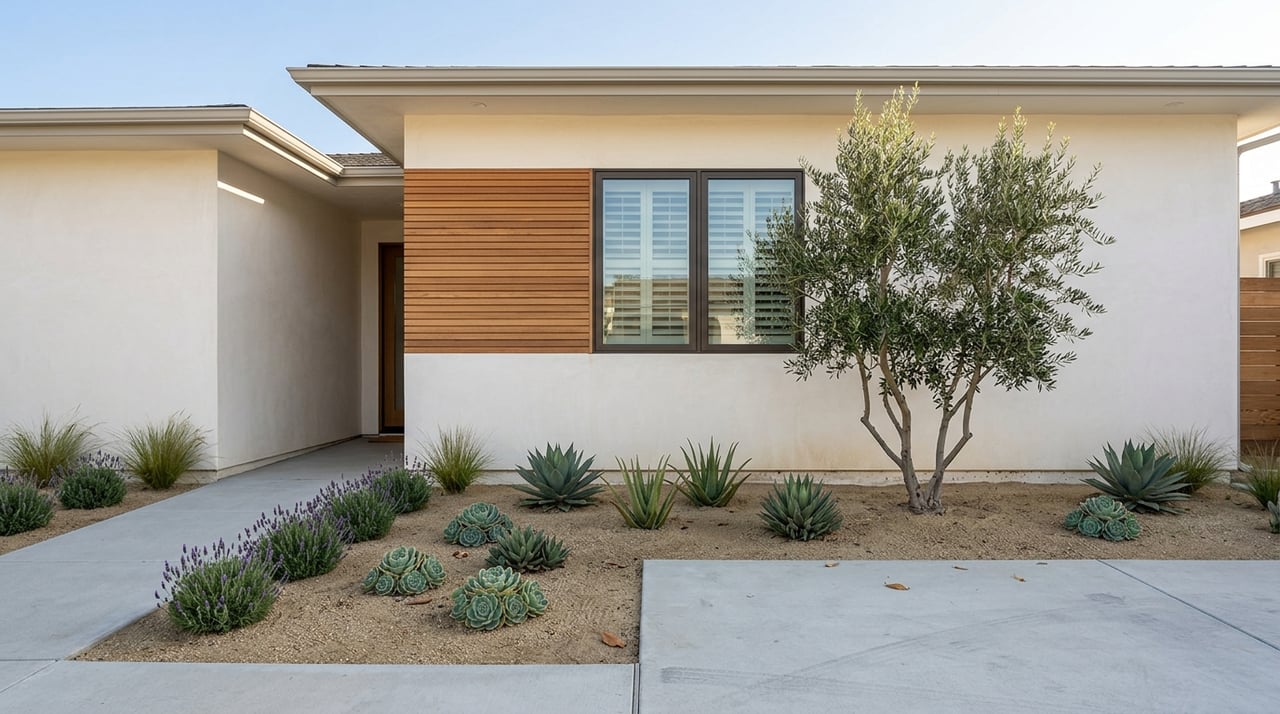
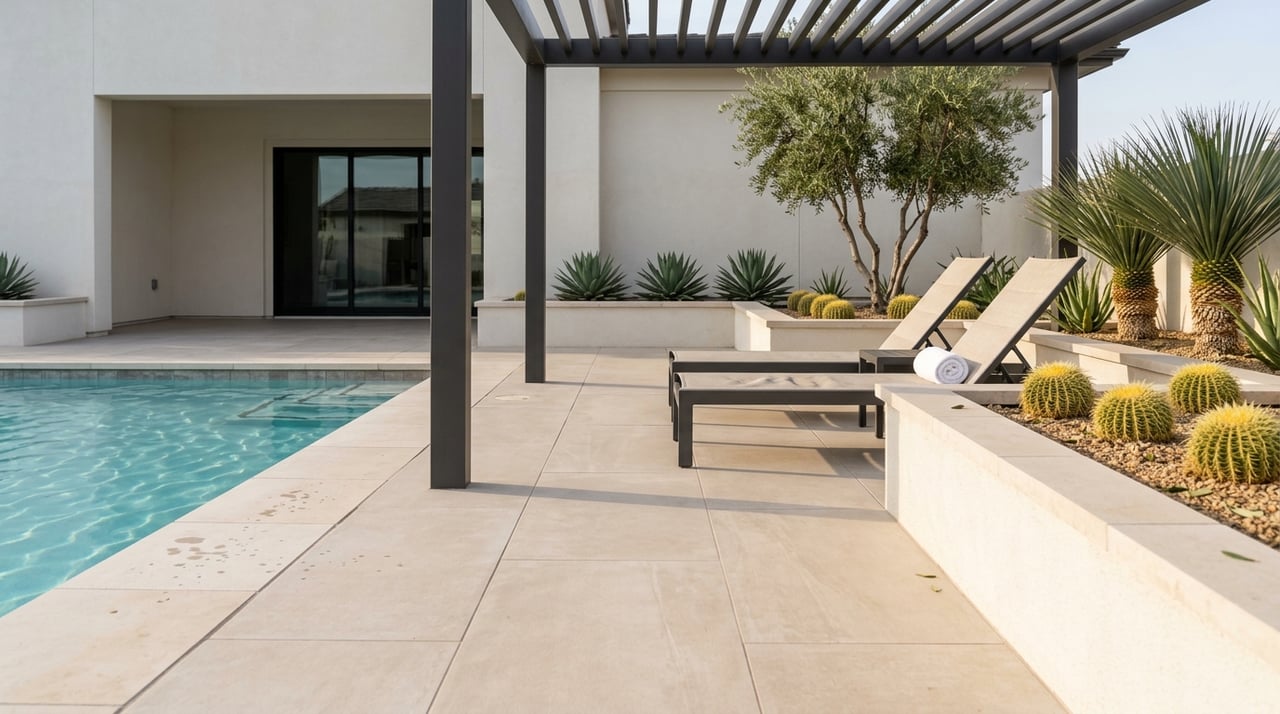
Spring can also make Wine Country homes look especially appealing. The area’s warm, sunny, relatively dry climate and seasonal spring bloom can help landscaping, outdoor spaces, and view lots show beautifully. If your property has gardens, patios, vineyard-adjacent views, or open land, spring may help those features stand out.
If you miss the spring launch, early summer can still work very well. Zillow’s guidance says March through July generally performs well, and demand often stays elevated into early summer. In Temecula, that can be especially helpful if your home offers features buyers associate with the Southern California lifestyle.
Wine Country’s summer season includes live music, sunny weather, and active visitor traffic. That can support marketing that highlights outdoor entertaining, pool areas, guest accommodations, or scenic settings. If your listing photography and presentation are strong, early summer can still create good momentum.
That said, summer is not perfect for every seller. Vacation schedules can create short slowdowns, and buyers may become more deadline-driven as late summer approaches. If you list in summer, you usually want your pricing, preparation, and launch strategy to be especially sharp.
Fall is not a bad time to sell, but it often requires more precision. National research suggests price reductions tend to rise in the fall. That does not mean your home cannot sell well. It means buyers may be more selective, and the margin for overpricing is smaller.
In Temecula Wine Country, fall has a unique advantage in lifestyle appeal. The season brings grape stomps, harvest dinners, and a more visible wine-country atmosphere. For certain custom homes, acreage properties, or estate-style listings, fall can be a strong visual and branding match.
If your property’s story fits the harvest-season setting, fall may still be worth considering. But it is usually best approached with realistic pricing, polished marketing, and a clear understanding that the buyer pool may be narrower than in spring.
Winter is usually slower on a national level, but it should not be ignored in Temecula. Warm-weather markets can still attract buyers during winter, and Temecula benefits from year-round tourism and seasonal events like barrel tasting. That can keep some level of market interest in place.
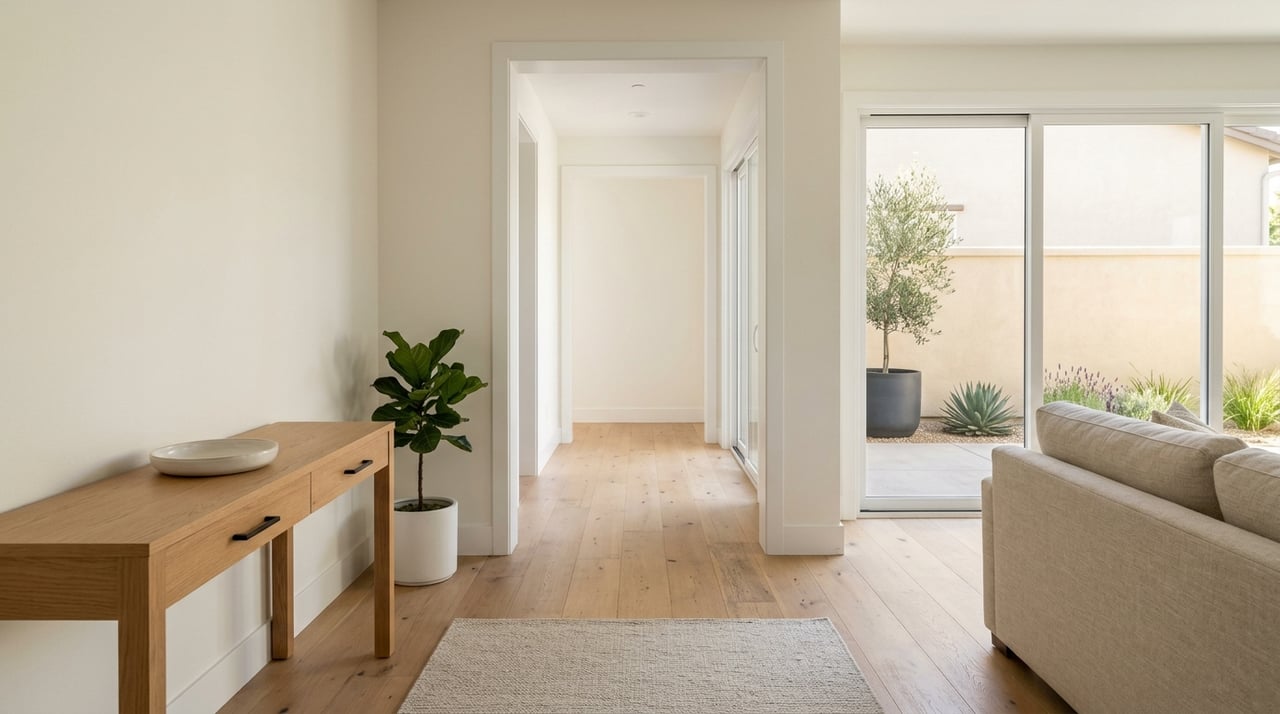
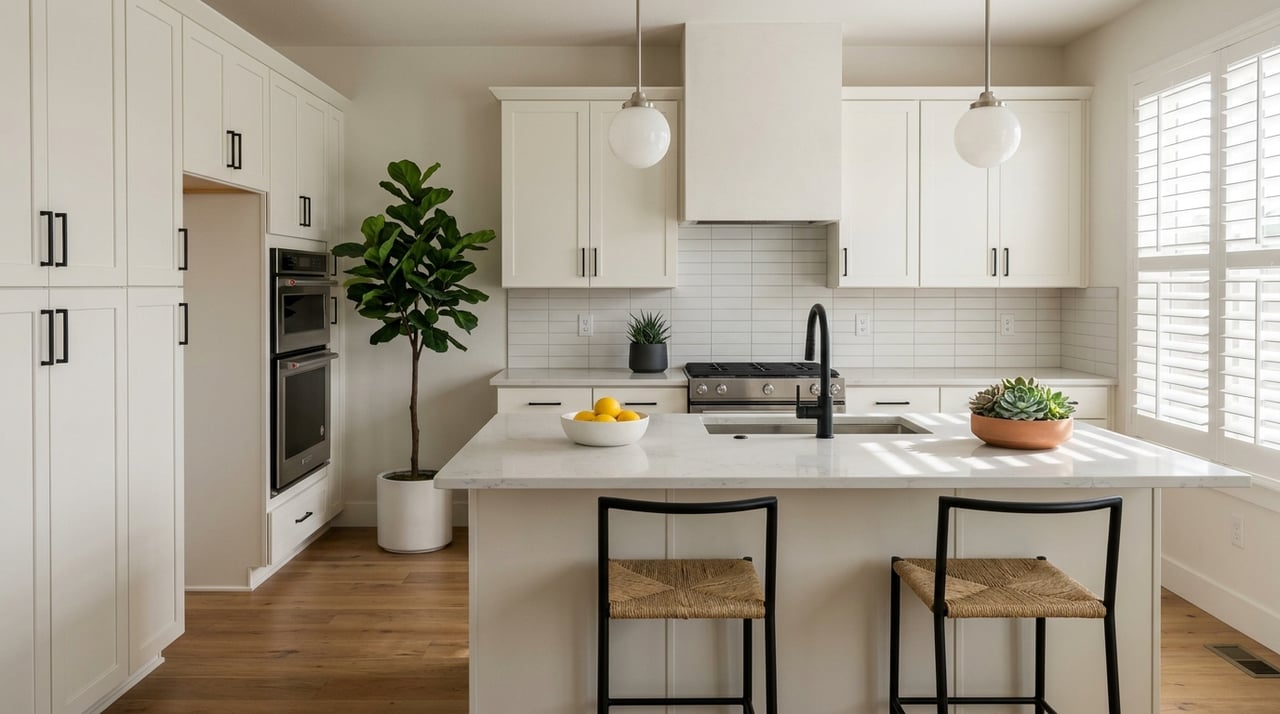
Winter may also bring less competition from other listings. If your home has standout indoor features, such as a well-designed kitchen, updated interiors, fireplaces, flexible living areas, or guest space, winter can create an opportunity to compete in a smaller field. For some sellers, fewer competing listings can matter as much as raw buyer volume.
This is especially true if you are not trying to hit the absolute busiest season, but instead want a cleaner launch window. Winter is rarely the top choice for maximum traffic, yet it can still be useful when the property and pricing strategy fit the season.
One of the biggest mistakes sellers can make is assuming all Temecula homes move the same way. They do not. The broader city market and the Wine Country segment can have very different timelines.
Redfin’s Temecula snapshot shows a median sold price of $724,000, about 31 days on market, and an average of 2 offers, with the city described as very competitive. Realtor.com’s March 2026 local overview shows a median listing price of $840,000, 45 median days on market, and homes selling for about asking in a balanced market. While those figures differ by source, they point to the same general idea: the overall Temecula market is active, but pace varies by property type and price point.
Wine Country properties in ZIP code 92590 often move more slowly. Redfin describes 92590 as not very competitive, with homes typically taking more than 100 days on market. Realtor.com’s ZIP-level view puts 92590 at a $2.222 million median listing price and 115 median days on market.
By comparison, 92591 is somewhat competitive, with homes selling in about 44 days and a median sale price of $724,000. That is much closer to the broader city pattern. So if you own a higher-end Wine Country property, you should expect a longer runway and more property-specific launch planning than a standard suburban home might need.
For many sellers, the strongest research-backed answer is spring or early summer. That is usually the best window if you want the most buyer traffic and the lowest risk of needing a price reduction. It also lines up well with practical move timing for many households.
But for Temecula Wine Country, the better answer is often: sell when your property shows its best and your strategy is ready. A home with spring bloom and beautiful grounds may benefit from a spring debut. A luxury property that feels made for harvest season may photograph and market better in fall. A home with standout interiors and less direct competition may find an opportunity in winter.
The right timing depends on what your home is actually selling. Is it convenience and broad appeal? Is it a luxury setting? Is it acreage, equestrian potential, custom design, or lifestyle presentation? Those details matter more in Wine Country than they might in a more uniform tract-home market.
If you are planning to sell in the next 6 to 18 months, start earlier than you think. Zillow says most sellers begin thinking about listing 3 to 4 months ahead. That timeline makes sense in Temecula, especially if you want enough time to handle repairs, staging, photography, pricing, and launch planning without rushing.
For a standard home, a few months of lead time may be enough. For a Wine Country estate, custom home, small-acreage property, or equestrian property, you may want even more time. These homes often need more thoughtful prep, more detailed marketing, and more precise positioning.
Mortgage rates still influence demand in a meaningful way. Freddie Mac reported the average 30-year fixed mortgage rate at 6.48% on June 4, 2026, noting that affordability is marginally improving but remains rate-sensitive. For sellers, that means buyer traffic can change quickly when financing conditions move.
This is another reason not to rely only on seasonal advice. Spring may be strong in general, but if rates rise sharply, buyer behavior can still shift. A smart timing strategy looks at both the season and the current affordability picture.
Strong timing is not about chasing a perfect week and hoping for the best. It is about matching your property, the local season, and buyer behavior with a launch plan that is ready to perform. In Temecula Wine Country, that often means thinking beyond the general advice you hear for the national market.
If you want to maximize demand, spring and early summer are often the best places to start. If you own a more unique Wine Country home, the better move may be to time your sale around when the property looks and lives at its best. That is where local guidance can make a real difference.
When you are ready to map out the right listing window for your home, request your free home valuation or schedule a consultation with Kim & Isaiah.
Stay up to date on the latest real estate trends.
Etiam non quam lacus suspendisse faucibus interdum. Orci ac auctor augue mauris augue neque. Bibendum at varius vel pharetra. Viverra orci sagittis eu volutpat.