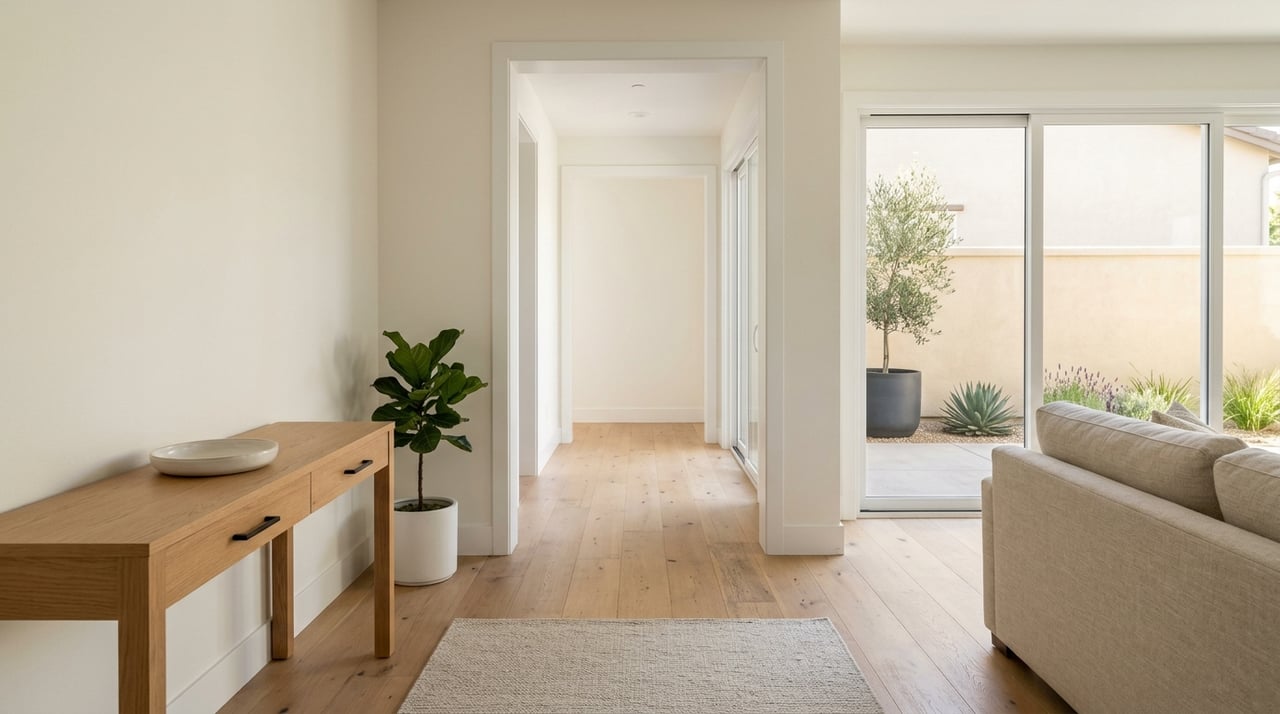
Murrieta New vs Established Homes: How to Choose
June 18, 2026
June 18, 2026
Wondering whether a newer Murrieta community or an established area like Alta Murrieta is the better fit for your next move? That choice can shape everything from your monthly costs to your yard space, maintenance plans, and daily feel at home. If you are comparing options in Murrieta, this guide will help you weigh the real tradeoffs so you can choose with more clarity and confidence. Let’s dive in.
Murrieta is not one uniform housing market. The city incorporated in 1991 during a period of rapid growth tied to Interstate 15, and its planning continues to evolve through the General Plan 2035, annexed areas, and newer specific plans.
That means your home search is not just about price or bedroom count. It is also about whether you want a more mature neighborhood pattern or a newer planned setting that may still be taking shape.
Alta Murrieta is a useful example of what many buyers mean when they say they want an established neighborhood. Homes in the area are generally from the late 1980s through the 1990s, with cul-de-sacs and mostly detached Spanish or Craftsman-style homes.
The neighborhood guide in the research also notes that many homes sit on lots of a quarter-acre or less and that Alta Murrieta is described as having no HOA. For many buyers, that immediately changes the conversation around monthly costs and exterior rules.
Alta Murrieta also reflects the convenience that often comes with an established area. Alta Murrieta Elementary is located on Whitewood Road, and Murrieta as a whole offers 53 parks, about 1,350 acres of trails, open space, streetscape, slope, and parkland, plus more than 20 miles of trails.
Newer planned communities usually attract buyers who want a more recent home design, community amenities, and a more uniform streetscape. In Murrieta, that can also mean living in an area influenced by specific plans, annexation activity, and common-interest-development rules.
Murrieta Hills is one local example. City approval materials describe about 972 acres with seven residential planning areas, minimum lot sizes of 4,500, 5,500, 6,500, and 10,000 square feet, along with HOA-managed open space, an HOA community center, a public park, and multiple pocket parks.
If you are drawn to that kind of setup, a newer area may feel easier from day one. You may get a more turnkey experience and shared amenities, but that often comes with added structure and ongoing dues.
One of the biggest differences between established and newer areas is often the HOA question. The California Attorney General says an HOA enforces rules and guidelines for a subdivision, planned community, or condominium building, and residents usually must become members and pay dues.
The California Department of Real Estate also notes that when you buy in a common-interest development, membership is automatic. Its guide adds that planned developments often come with higher-density ownership and less yard or open-space area than standard subdivisions.
For you, that means the decision is partly about lifestyle. If you want more freedom with landscaping, fencing, or exterior changes, an established area may feel more comfortable. If you like the idea of shared amenities and a more consistent look across the neighborhood, a newer HOA community may be worth the tradeoff.
For many buyers, yard space is where the difference becomes real. Established areas like Alta Murrieta often appeal to buyers who want detached homes and lots that may feel more generous.
Newer planned communities can trade some of that private outdoor space for amenities and design consistency. That is not a universal rule, but it is a practical pattern to keep in mind as you compare neighborhoods.
Think about how you actually want to use your outdoor space. If you picture gardening, adding hardscape, or simply having more room around the home, an established area may line up better with your goals.
A newer home and an older home can both be good choices, but they usually ask different things from your budget. In an established neighborhood like Alta Murrieta, older homes are more likely to need cosmetic updates or system improvements simply because of age.
That does not mean you should avoid them. It means you should pay close attention to inspections, repair priorities, and the amount of work you are comfortable doing after closing.
If your priority is a move-in-ready feel, a newer area may check more boxes upfront. If you are comfortable making updates over time, an established neighborhood may give you more flexibility in how you personalize the home.
One of the smartest ways to compare areas is to think beyond your own move and consider the likely resale audience. Established neighborhoods can attract buyers looking for a mature setting and potentially larger-feeling lots, while newer planned communities can appeal to buyers focused on newer finishes and planned amenities.
Just as important, market performance can vary by neighborhood. Realtor.com’s April 2026 snapshot shows Alta Murrieta with 22 homes for sale, a median listing price of $649,900, a median sold price of $666,000, and a median 34 days on market.
In that same April 2026 snapshot, Murrieta citywide showed 689 homes for sale and a median 51 days on market. That gap is a good reminder that Alta Murrieta functions like its own micro-market, not just a generic slice of the broader city.
If you are comparing new versus established in Murrieta, it helps to remember that the city is still changing. The current General Plan update is being revised to account for new state laws, annexed area, and the Murrieta Hills Specific Plan.
The city also says a separate annexation study is underway for the Spencer’s Crossing area on the northeast edge, and that process is still in an exploratory stage. For buyers, that is a practical sign that some parts of Murrieta are still being shaped by future planning decisions.
An established area like Alta Murrieta may feel more settled today. A newer edge area may offer a different experience, especially if you are comfortable buying into a community that is still unfolding over time.
Before you fall in love with a kitchen or backyard, it helps to get clear on your non-negotiables. A simple checklist can make your tours much more productive.
The right answer is not really about choosing new over old. It is about deciding which mix of space, rules, maintenance, amenities, and resale potential fits your life best.
If you are torn between Alta Murrieta and a newer planned area, try comparing homes through the lens of everyday living. Picture your monthly budget, how much upkeep you want, and whether neighborhood rules feel helpful or restrictive to you.
Then look at each option as its own micro-market. In Murrieta, that level of neighborhood-specific thinking matters because pricing, time on market, and community setup can differ more than many buyers expect.
A thoughtful side-by-side comparison can keep you from paying for features you do not really value or overlooking an established area that may be a better lifestyle fit. If you want help narrowing down the right Murrieta neighborhood for your goals, reach out to Kim & Isaiah for a consultation.
Stay up to date on the latest real estate trends.
Etiam non quam lacus suspendisse faucibus interdum. Orci ac auctor augue mauris augue neque. Bibendum at varius vel pharetra. Viverra orci sagittis eu volutpat.