
Weighing the Temecula Commute to San Diego Lifestyle
January 15, 2026
January 15, 2026
Thinking about trading a coastal commute for vineyard views and more space? You are not alone. Many buyers look to Temecula Wine Country for larger lots, quieter streets, and weekend amenities, then weigh that against real-world drive times to San Diego or Orange County. In this guide, you will learn how the main commute works, what lifestyle you can expect, the tradeoffs to consider, and a practical plan to test before you buy. Let’s dive in.
Temecula sits in southwestern Riverside County, just north of the San Diego County line. Wine Country refers to the vineyard corridor and rural foothills around the city, offering scenic drives, tasting rooms, and open space. You will find suburban neighborhoods, rural estates, and master-planned communities alongside everyday services and civic resources.
The climate is Mediterranean and semi-desert, with hot, dry summers and mild winters. If you are new to the area, factor in seasonal wildfire risk and preparedness. Review local services on the City of Temecula’s official site, and use CAL FIRE’s guidance to learn about defensible space, evacuation planning, and insurance considerations.
Your primary corridor is Interstate 15. Most commuters drive I-15 south toward northern San Diego County and north toward Orange County, then connect to job centers via I-5, SR-55, SR-91, or local arterials. Smaller state routes help with local travel, but for county-to-county trips, I-15 dominates.
Traffic is directional. Mornings trend southbound, evenings northbound back to Temecula. Travel time depends heavily on when you leave. On weekdays, plan generous buffers and expect variability during incidents or construction. For current projects and lane advisories, check Caltrans before you set out.
Temecula does not have a direct commuter rail station. If you want rail, you will likely drive to a Metrolink or Amtrak station and coordinate schedules. Review Metrolink station options and schedules and long-distance connections via the Amtrak Pacific Surfliner.
The Riverside Transit Agency offers local and regional bus service, including select commuter routes and park-and-ride options. For Orange County connections and toll facilities, see OCTA. For regional coordination and planning in San Diego County, visit SANDAG. High-occupancy vehicle lanes, carpools, and vanpools can help if your schedule aligns, but most inter-county commuters still rely on driving.
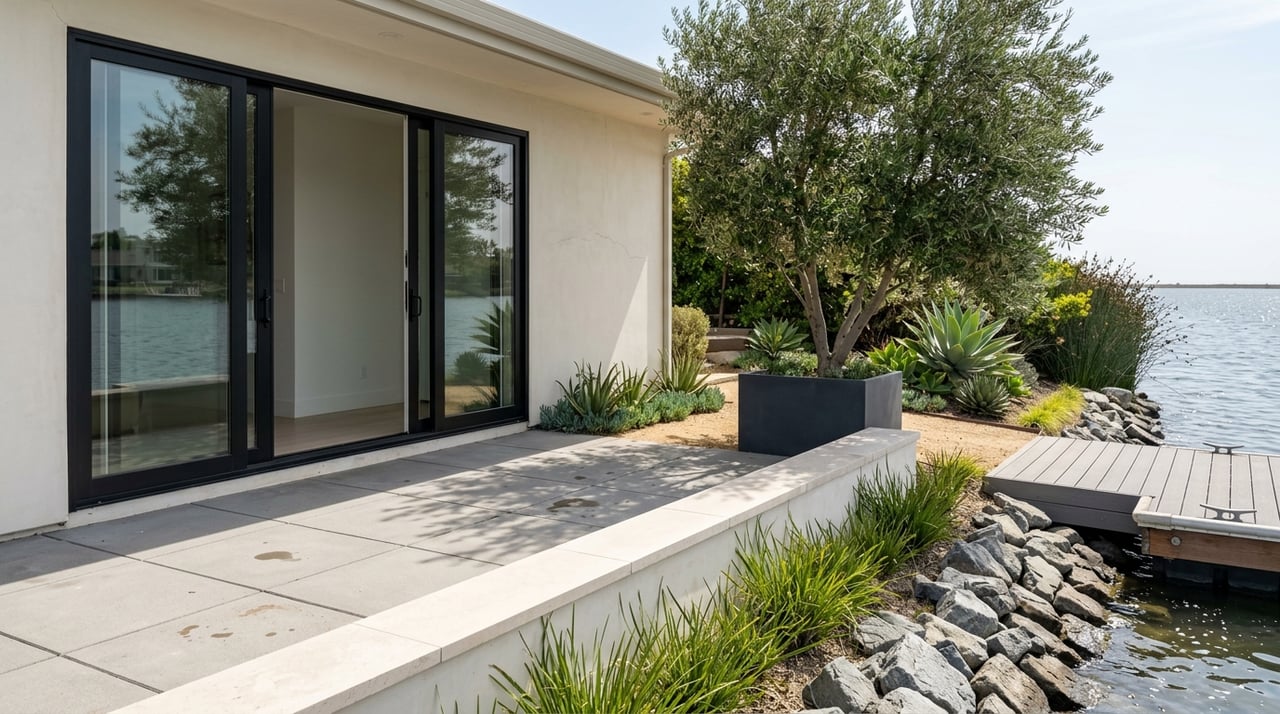
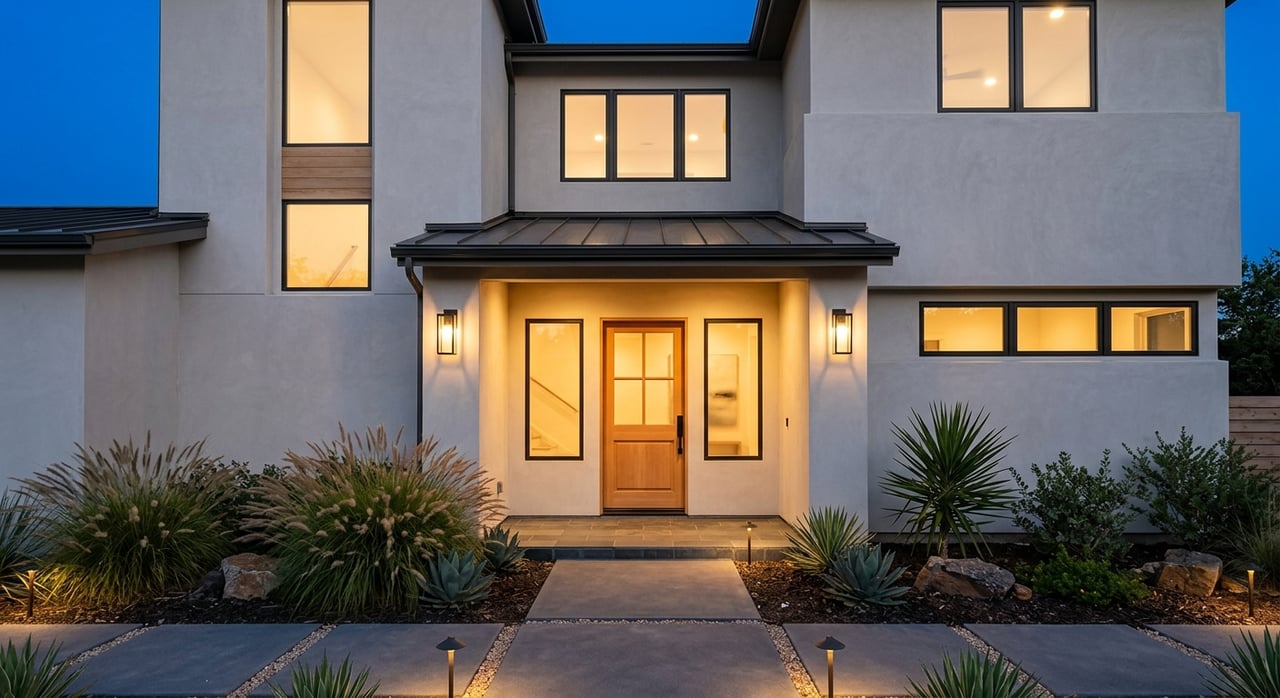
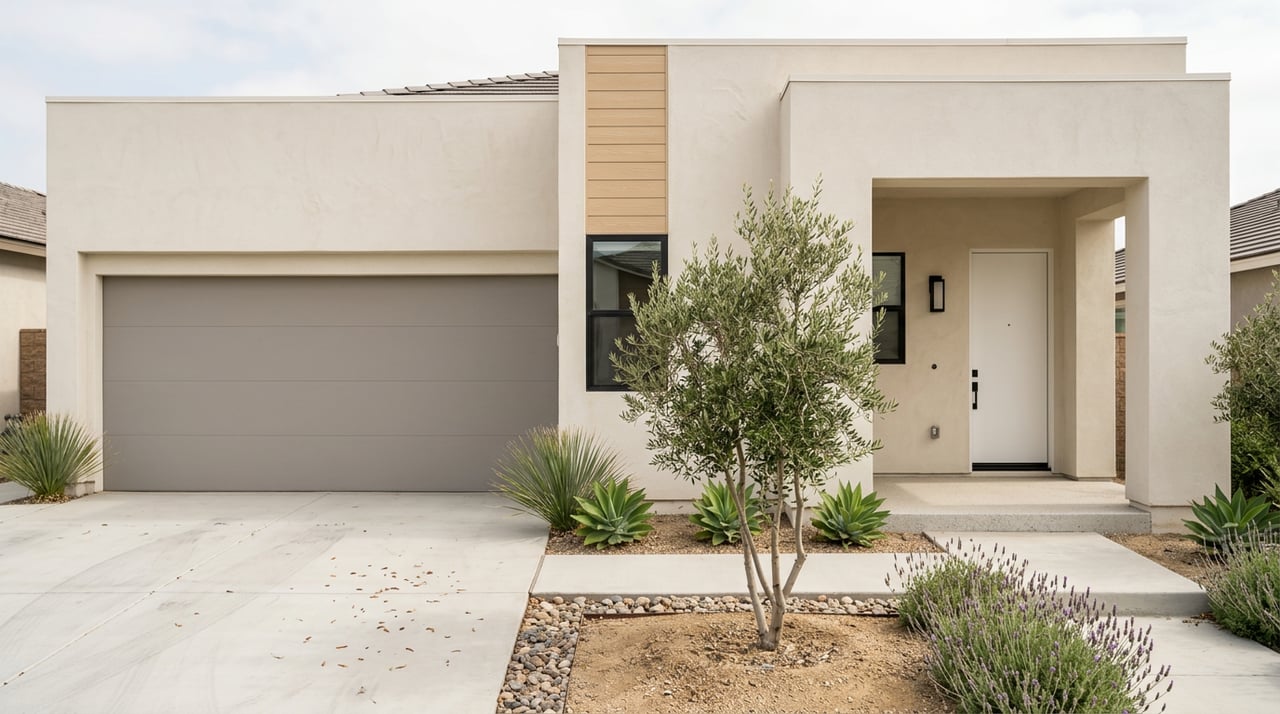
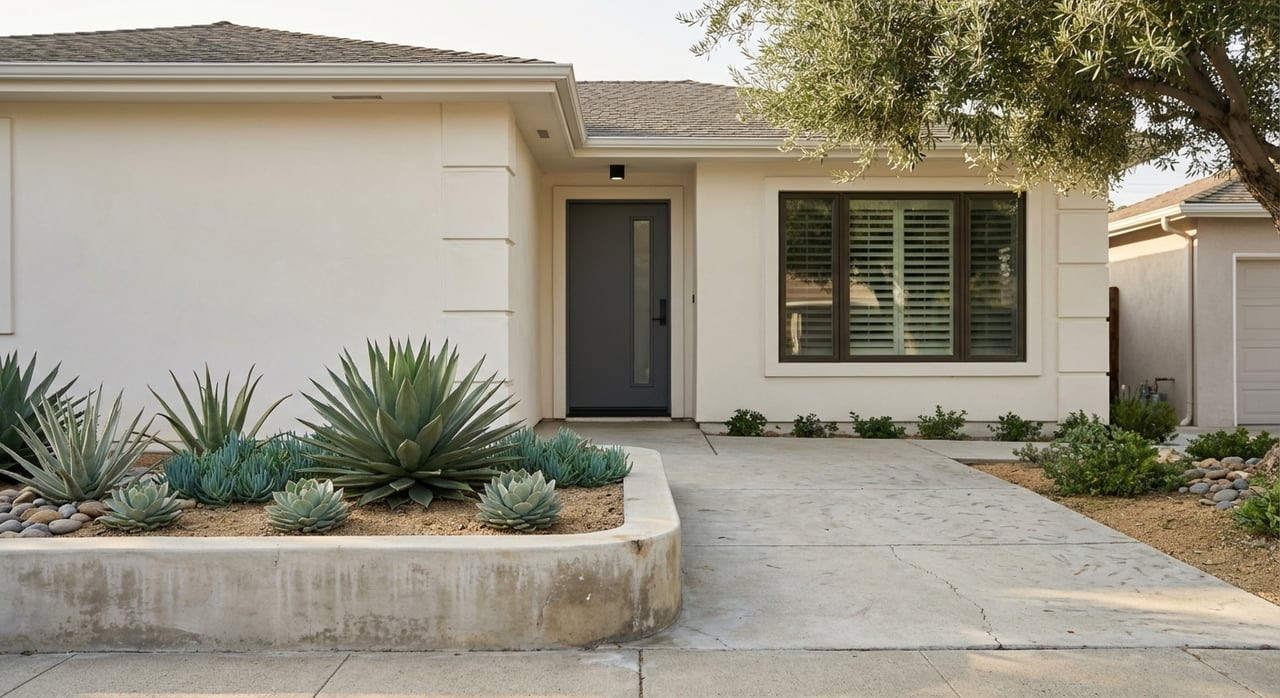
Temecula’s housing stock spans single-family homes, townhomes and condos, and larger estate properties in Wine Country and the surrounding foothills. Newer master-planned communities often cluster near schools and parks, while rural parcels offer privacy and acreage.
To align your search with commute needs, set a maximum acceptable one-way drive time and build your search around that, not just miles. Homes with easier access to I-15 on-ramps can save minutes every day, which adds up over a year.
Moving to Temecula often means more living space and lower density in exchange for more time in the car. Fuel, maintenance, and tolls can offset some housing savings. Your break-even point depends on your job location, schedule flexibility, and family priorities.
Quality-of-life benefits include larger yards, quiet streets, and a wine-country lifestyle with hiking, golf, and horseback riding nearby. The tradeoff is time. Long drives can reduce discretionary hours and add stress during heavy traffic. If you work hybrid or remote part of the week, Temecula’s advantages often become more compelling because you commute less often.
Risk-wise, traffic incidents can change drive times quickly, so build buffer time into your routine. Wildfire seasons and occasional smoke events are part of the region’s climate. Learn about evacuation routes and property hardening through CAL FIRE’s resources, and talk to your insurance pro early when evaluating rural or hillside homes.
Use this step-by-step approach to evaluate Temecula’s commute and lifestyle fit for you.
You deserve clear answers and a plan that fits your life. As a local, high-touch team, we help you translate commute realities into a search strategy that works. We set up time-based MLS searches, map test-run routes with you, and coordinate showings that cluster near your preferred access points. If you are exploring rural or Wine Country properties, we can help you review typical maintenance, HOA rules, and wildfire preparedness resources so you feel informed at every step.
If Temecula feels like the right move, or if you want an honest, data-informed second opinion, reach out. We are here to guide you from first tour to keys in hand.
Ready to explore Temecula with a plan that respects both your commute and your lifestyle? Connect with Kim & Isaiah to request your free home valuation or schedule a consultation.
Stay up to date on the latest real estate trends.


Etiam non quam lacus suspendisse faucibus interdum. Orci ac auctor augue mauris augue neque. Bibendum at varius vel pharetra. Viverra orci sagittis eu volutpat.