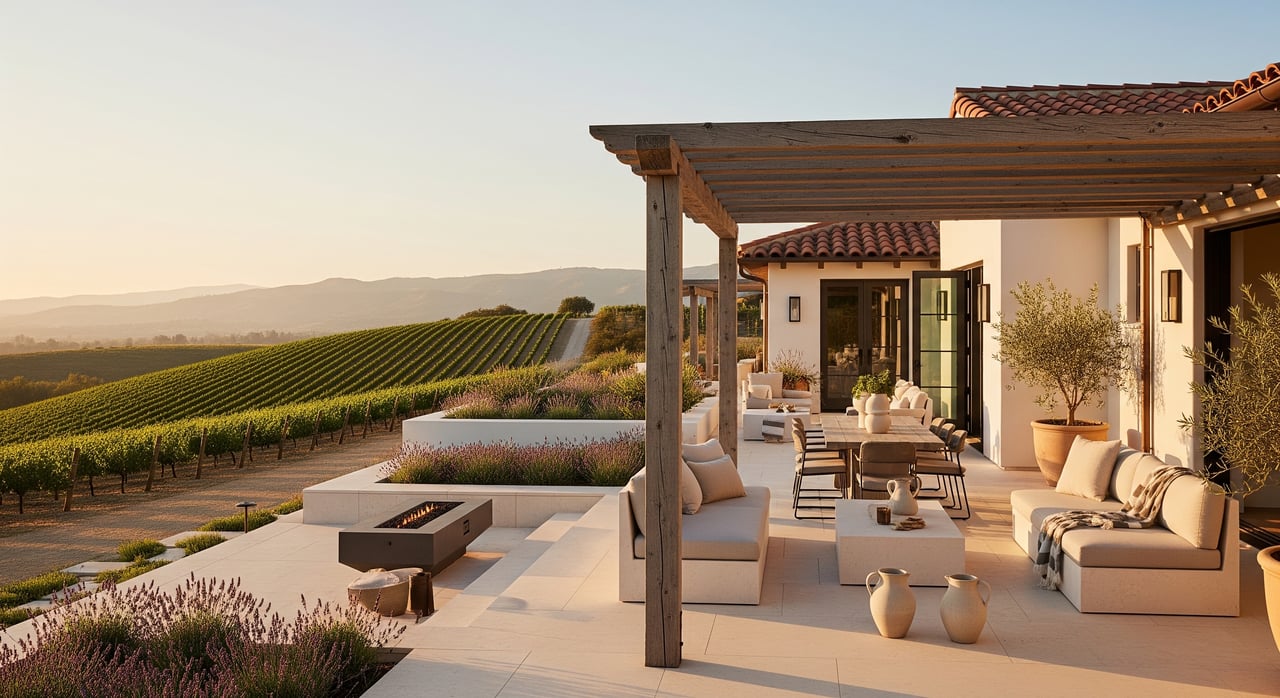
Temecula Wine Country Living: Homes, Costs & Lifestyle
February 5, 2026
February 5, 2026
Craving vineyard views in your backyard but still want everyday convenience? If you are weighing a move to Temecula Wine Country, you are not alone. The area pairs rolling vines and open skies with access to modern shopping, schools, and healthcare. In this guide, you will learn what daily life looks like, the types of homes and lots you can find, practical utilities and permits to understand, and the tradeoffs to consider before you buy. Let’s dive in.
Temecula Wine Country sits in southwestern Riverside County, surrounding and spreading northeast of the City of Temecula. You drive in on two‑lane rural roads off Interstate 15, where vineyards, tasting rooms, and estates line the hills.
Expect a Mediterranean‑style climate with warm, dry summers and mild winters. The diurnal temperature swings support classic grape varieties. The Temecula Valley American Viticultural Area has a well‑established wine scene with several dozen tasting rooms. Local organizations often note there are over 40 wineries, a number that changes as new rooms open or close. For visitor and regional wine context, explore the Temecula Valley Winegrowers Association.
If you want a quick pulse on city services and events that anchor day‑to‑day life, the City of Temecula is your hub.
Most residents rely on I‑15 for daily travel. Plan roughly 1 to 1.5 hours to north San Diego County and 1.5 to 2 hours to the Los Angeles basin, depending on traffic. Peak hours can be slow. Many locals work in Temecula’s healthcare, education, retail, and hospitality sectors, while others commute to job centers across the Inland Empire, San Diego County, and Orange County.
You can choose from suburban convenience to expansive acreage. Your budget, maintenance appetite, and privacy goals will guide the fit.
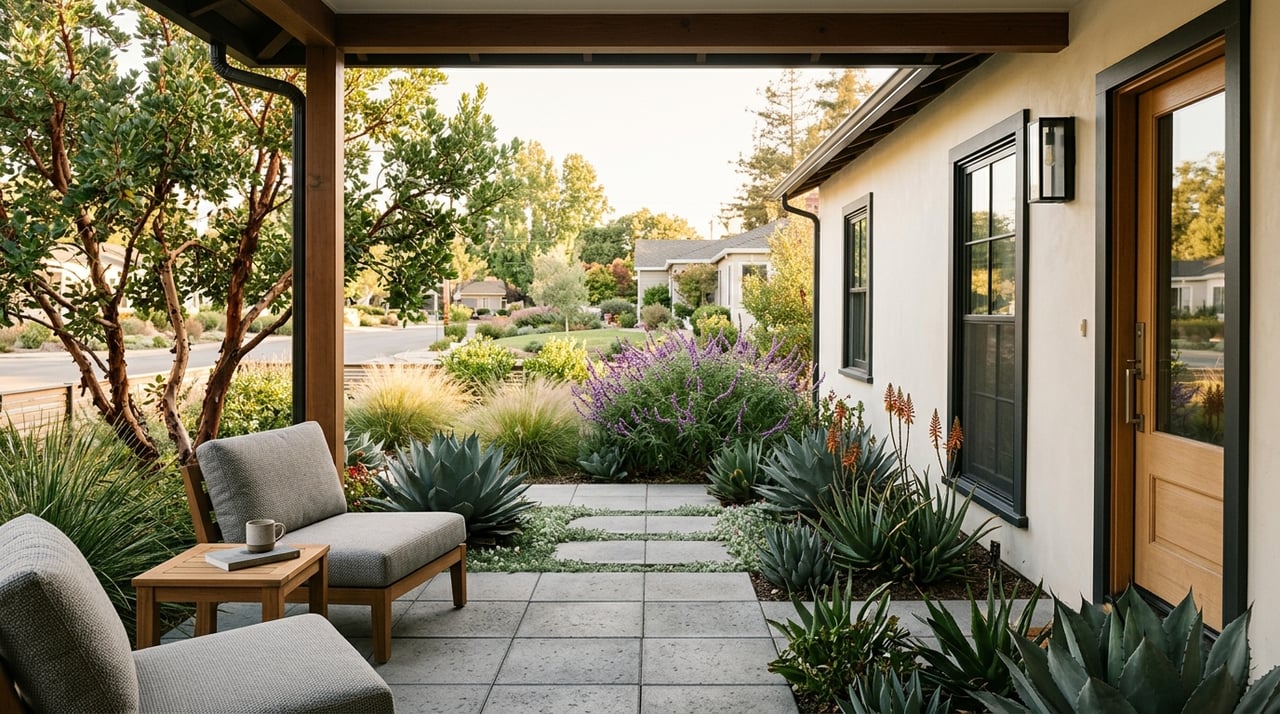
These homes sit on smaller lots, often 0.1 to 0.25 acre, closer to Temecula’s main corridors. You get easier maintenance and quick access to grocery stores, schools, and medical services. This is a practical entry into the local market if you want wine‑country access without rural upkeep.
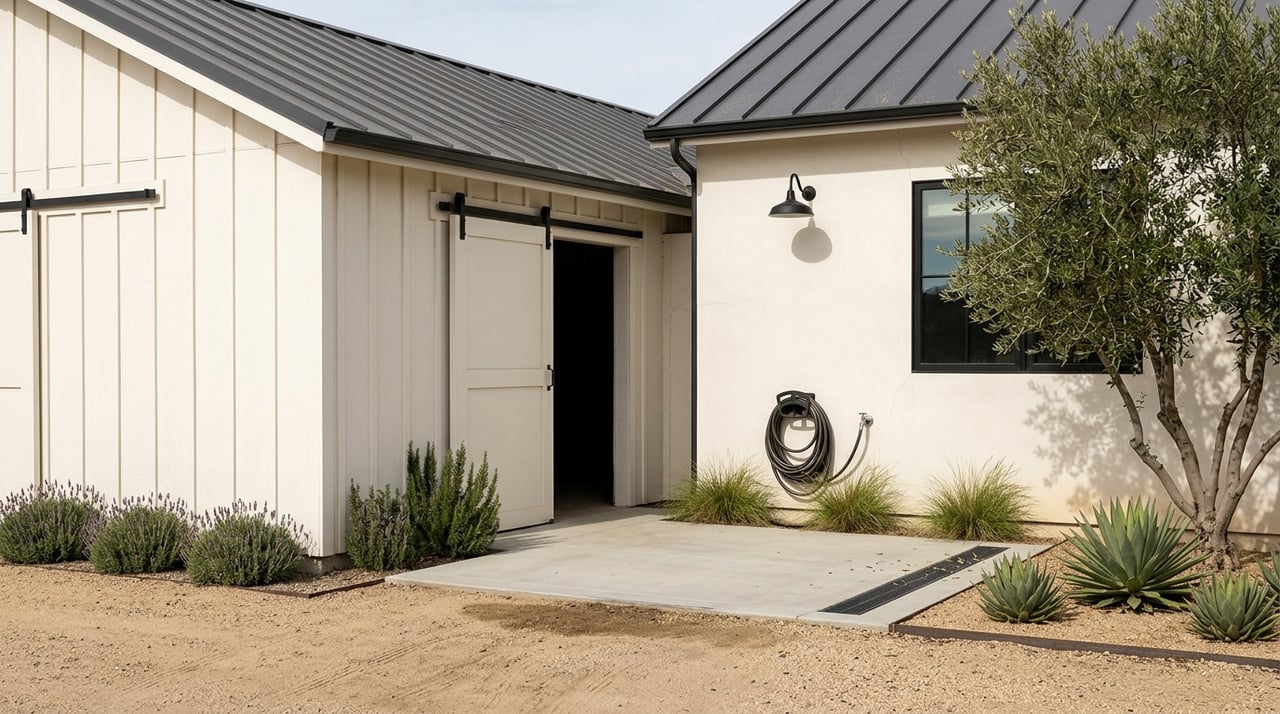
In the heart of wine‑country neighborhoods, you will find 1 to 5 acre parcels and larger estates reaching 10 to 40 acres or more. Many include hobby vineyards, detached garages, workshops, and irrigation systems. Expect more privacy, more upkeep, and higher costs for improvements and insurance.
If you plan to keep horses or pursue small‑scale agriculture, look for properties with barns, paddocks, and usable land. These parcels often sit in unincorporated areas with different utility and permitting realities. Confirm zoning, allowed uses, and infrastructure before you commit.
Closer to Old Town Temecula and walkable streets, you can find attached homes and smaller historic residences. These suit buyers who want character, low maintenance, and proximity to restaurants and events.
You will likely blend quiet rural routines with lively local outings.
Families often look at the Temecula Valley Unified School District. Performance varies by school, so confirm attendance boundaries and transportation for any specific address.
Rural beauty comes with practical details. Before you fall for a view, make time for these checks.
Service can vary by parcel. Inside city limits, many homes receive municipal water and sewer. In wine‑country areas, private wells, septic systems, or small water districts are common. Vineyards need reliable irrigation, so ask for well logs, water‑use histories, and details on irrigation equipment. For service areas and potential drought restrictions, review the Eastern Municipal Water District.
Septic installation, capacity, and setbacks are managed at the county level. Confirm soil percolation tests and permits, and have systems inspected during escrow. Riverside County’s Environmental Health team provides guidance on wells and septic. Start your research with Riverside County Environmental Health.
Some parcels are zoned agricultural or rural residential, which affects what you can build and whether you can operate a commercial winery or host events. Review parcel zoning and any planned changes early. Contact Riverside County Planning for unincorporated parcels, and the City of Temecula for city addresses.
If you plan to produce and sell wine or open a tasting room, you will need approvals that can include conditional use permits, building and health inspections, and alcohol licensing. For fundamentals, see the federal TTB wine resources and state California ABC guidance.
Internet options vary. In the city, you may find cable or fiber. On more remote parcels, DSL, fixed wireless, or satellite can be the only choices. Verify providers at the exact address using the FCC Broadband Map.
Wildfire is a regional reality. Many rural parcels require defensible space, brush clearance, and ignition‑resistant materials. Insurance underwriting can hinge on your parcel’s fire hazard severity and mitigation plan. Start with state mapping and local guidance through CAL FIRE’s Fire Hazard Severity Zones, then obtain multiple insurance quotes as part of due diligence.
Prices vary widely based on lot size, improvements, and location. In general, smaller suburban homes offer a lower entry point. One to five acre vineyard parcels command a premium because the land is usable and improved with irrigation, wells, or plantings. Large estates and properties with commercial potential see the highest price ranges and more complex valuations. Proximity to tasting rooms, views, paved access, and accessory structures also influence pricing.
If you plan to plant or maintain vines, consider ongoing costs such as water, pest management, pruning, and harvest labor. Factor in property taxes, possible road maintenance for long private driveways, and insurance premiums that reflect rural risk.
Use this shortlist to compare properties and avoid surprises.
Living in Temecula Wine Country gives you privacy, views, and a calm pace. You may also see more upkeep, longer drives on rural roads, and weekend visitor traffic in popular corridors. Broadband can be limited in some pockets, and insurance can be higher in higher‑risk fire zones. If you prefer walkable urban convenience, focus on addresses closer to city corridors. If you value space and quiet, rural acreage may be worth the trade.
Choosing the right pocket of wine country is personal. You deserve clear answers on water, septic, zoning, broadband, and insurance before you write an offer. Our team specializes in suburban, acreage, custom, and equestrian properties across Temecula and nearby communities. We will help you compare neighborhoods, line up parcel‑specific verifications, and connect you with the right inspectors and specialists so you can buy with confidence.
Ready to find your fit in Temecula Wine Country or get a sense of your current home’s value? Contact Kim & Isaiah to request your free home valuation or schedule a consultation.
Stay up to date on the latest real estate trends.
Etiam non quam lacus suspendisse faucibus interdum. Orci ac auctor augue mauris augue neque. Bibendum at varius vel pharetra. Viverra orci sagittis eu volutpat.