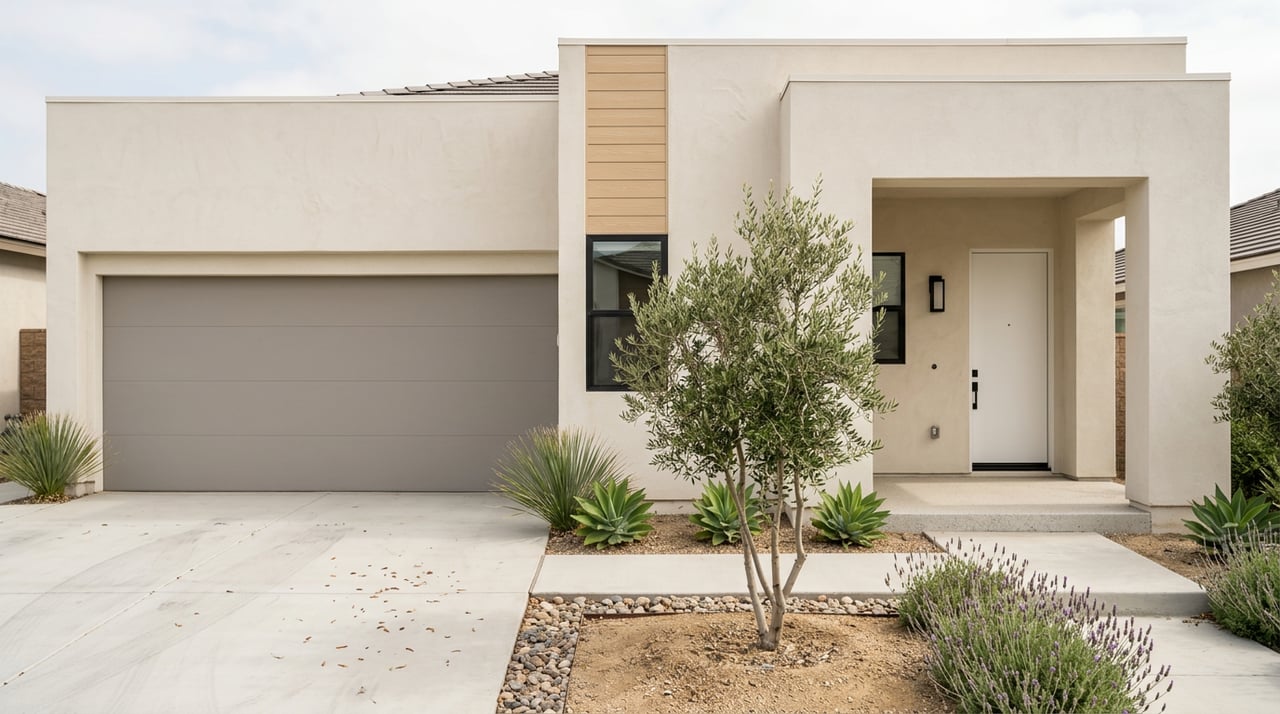
Menifee New Construction Homes: What Buyers Should Know
March 5, 2026
March 5, 2026
Thinking about a new build in Menifee but not sure where to start? You are not alone. New construction can offer modern layouts, energy efficiency, and a clean slate, but the process and fine print feel different than buying a resale home. In this guide, you will learn how Menifee’s new-home market works, what drives final pricing, how to evaluate incentives, and the protections and inspections that matter. Let’s dive in.
As of July 2025, Menifee has active communities from national and regional builders such as Pulte, Lennar, KB Home, Meritage, and Richmond American. You will see both quick move-in inventory and to-be-built lots across town.
Advertised starting prices often land in the mid $500,000s to the $700,000s range depending on plan, series, lot premium, and upgrades. Final contract prices vary based on selections and timing. Menifee also shows a meaningful number of quick move-in options, which can improve buyer leverage when builders carry finished inventory. For a sense of local activity and attached offerings, browse the Menifee overview on Livabl’s new construction hub.
Builders market a base price that covers a standard elevation, included finishes, and a specific lot type. Your final price usually increases with design-center choices and lot premiums. New homes often carry a higher price per square foot than nearby resale homes because they include new systems, builder profit, and today’s materials and codes. Ask for the written base-spec sheet and a current upgrade price list so you can budget with real numbers.
You generally have two paths:
Confirm the estimated build schedule for your specific lot in writing. Timelines can shift with weather, supply chain, or city inspections.
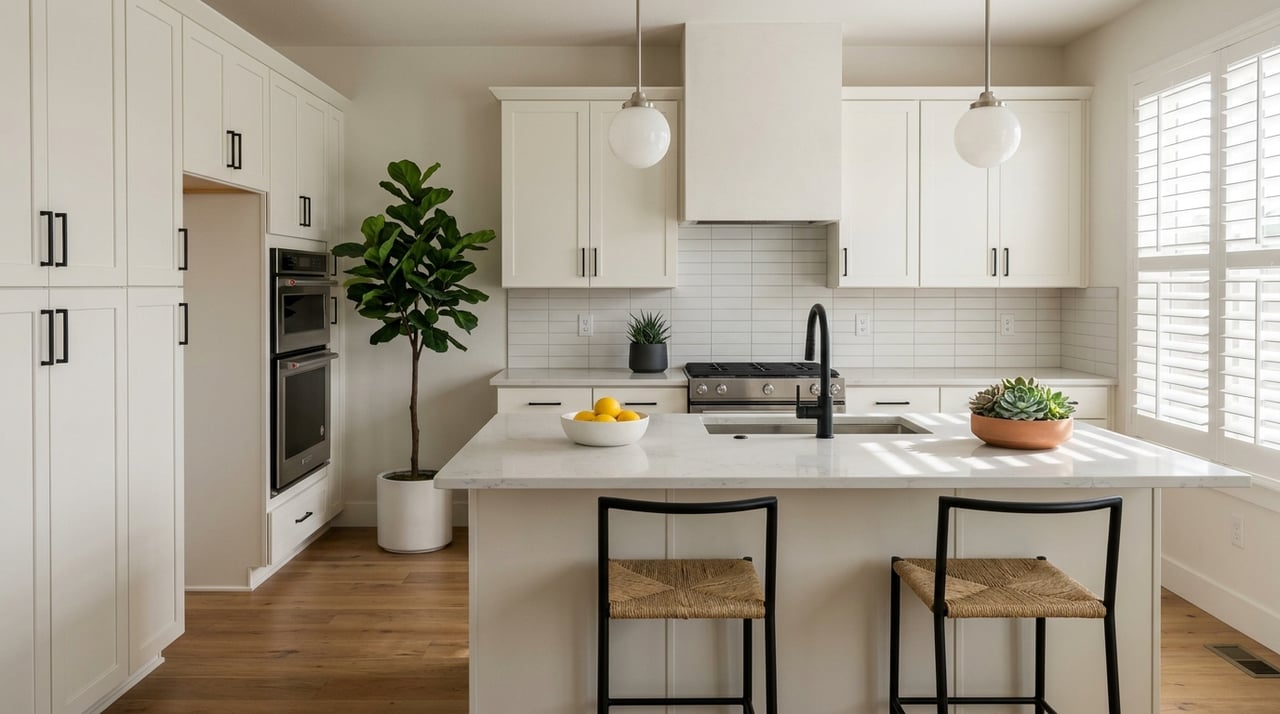
Production builders offer plan options and finish packages, but true structural changes are limited and costly. Many small upgrades are much cheaper during construction than after move-in. Prioritize high-impact, hard-to-change items first, like electrical locations, flooring in main living areas, and kitchen surfaces.
Builders often use incentives to reduce your upfront or early-year costs. A common example is a temporary 2-1 buydown, which lowers your interest rate for the first two years. The cost is prepaid at closing, and your loan is underwritten at the permanent note rate, not the discounted rate. Get the mechanics and numbers in writing. For a simple overview of how a 2-1 works, see this rate buydown explainer.
Many incentives are larger if you use the builder’s preferred lender. That can be real money, but compare the full offer against a quote from an outside lender. Ask for a line-item breakdown that states what is a builder credit versus what depends on using a specific lender. Look at the long-term rate, closing costs, and any restrictions on stacking concessions.
Appraisers rely on comparable sales. If you load up on design-center upgrades that local comps do not support, the appraisal may come in short. That gap can require extra cash at closing. Budget upgrades with the appraisal in mind and talk through risks with your lender. For context on how appraisers weigh cost versus market, review this summary of appraisal approaches in new construction from the Appraisal of Real Estate framework (why comps matter).
Many builders use an insurance-backed program that looks like a 1-2-10 structure: one year for workmanship and materials, two years for systems like HVAC, plumbing, and electrical, and up to ten years for major structural defects. Always request the full warranty booklet and the administrator’s claims process before you sign. For a plain-English overview, see this guide to common 1-2-10 coverage.
California’s construction-defect law, often called SB-800 or the Right to Repair, sets minimum standards, a pre-litigation process, and strict timelines for claims on original construction. The statute includes shorter windows for certain components and a longer outer period for major defects. Builders must disclose minimum warranties, and you must follow the claim steps and timing to preserve your rights. You can read the statute text and timing rules here: California SB-800.
Many Menifee new-home neighborhoods are in HOAs governed by the Davis-Stirling Act. Request and review the CC&Rs, bylaws, rules, current budget, reserve study, and any disclosure about planned amenities or special assessments. The Davis-Stirling framework outlines owner rights and association duties. HOA fees vary by community and amenities, so confirm the monthly dues and what they include before you write an offer.
Large masterplans can deliver parks, trails, and clubhouses over several phases. If you are buying in an early phase, some amenities may be future promises. Ask for the published phasing plan, amenity timing, and who maintains each feature. Confirm any special taxes, like Mello-Roos or similar assessments, that affect your annual cost.
Most new Menifee communities are served by regional utilities for water, power, and gas. Community fact sheets often list providers and nearby shopping corridors along the 215. Verify providers with the sales office and factor projected utility and tax costs into your monthly budget.
Even a brand-new home benefits from third-party inspections. Staged checkpoints can catch items while access is open and the builder team is on site to address them.
This staged approach is common practice among new-construction inspectors. For a quick overview, see this breakdown of new construction inspection stages.
Bring your buyer’s agent to your first model-home visit and register them with the sales office. Many builders require registration on the first visit to recognize your representation. Your agent can help you compare floor plans, vet incentives, and negotiate terms.
Buying new construction can be a great fit if you understand the true all-in cost, your timeline, and your protections. If you want a local team to help you compare builders, incentives, and lots across Menifee, reach out to Kim & Isaiah to get started.
Stay up to date on the latest real estate trends.
Etiam non quam lacus suspendisse faucibus interdum. Orci ac auctor augue mauris augue neque. Bibendum at varius vel pharetra. Viverra orci sagittis eu volutpat.